Showing posts with label textiles. Show all posts

Tuesday, January 30, 2024

NOVA | Full-Scale Mockup

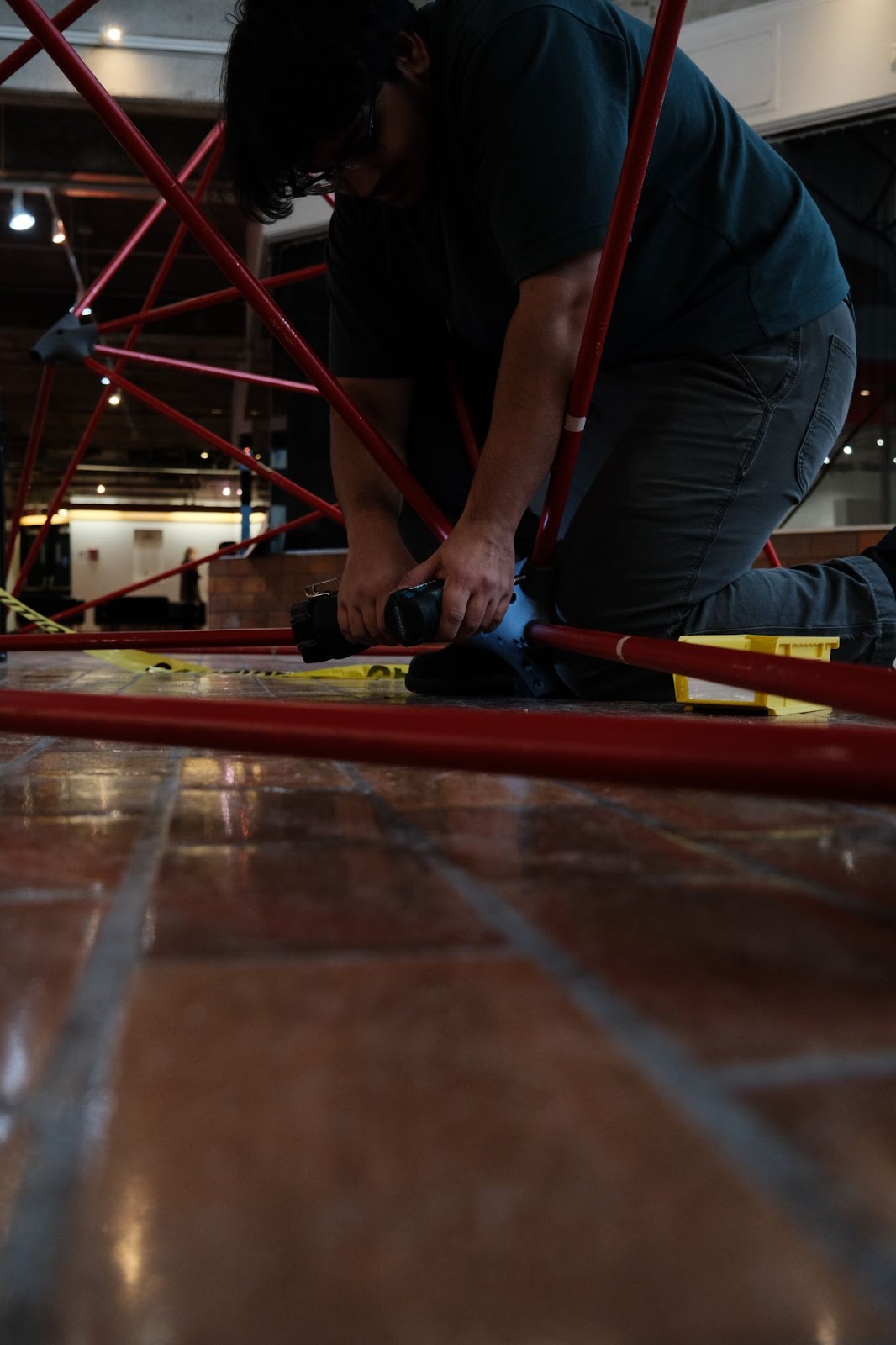
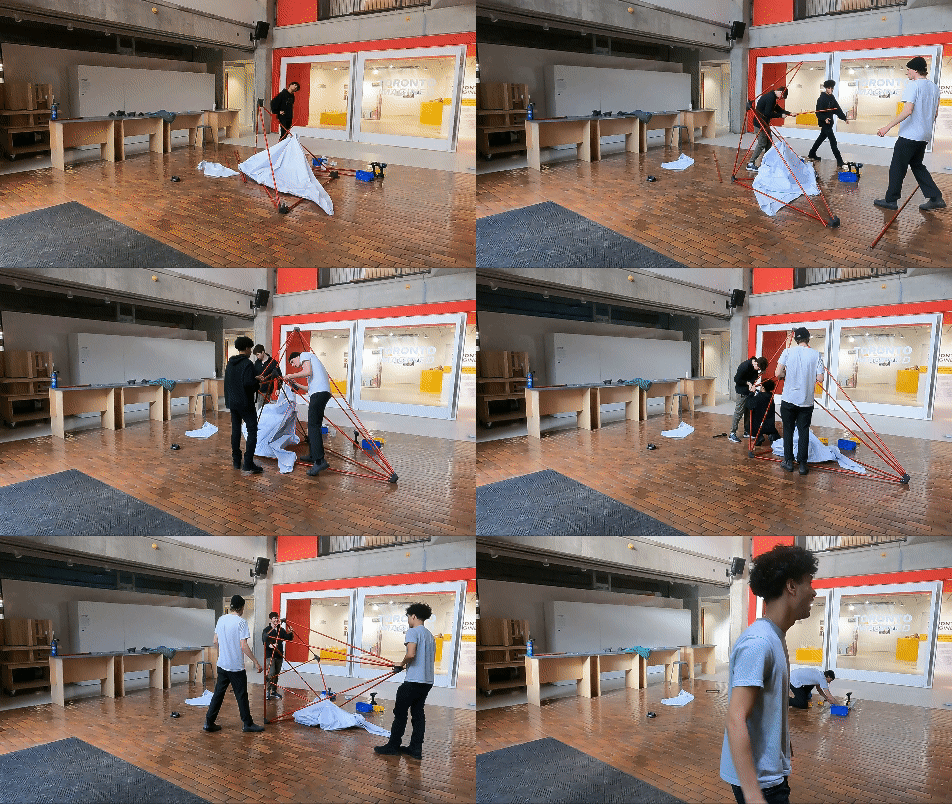
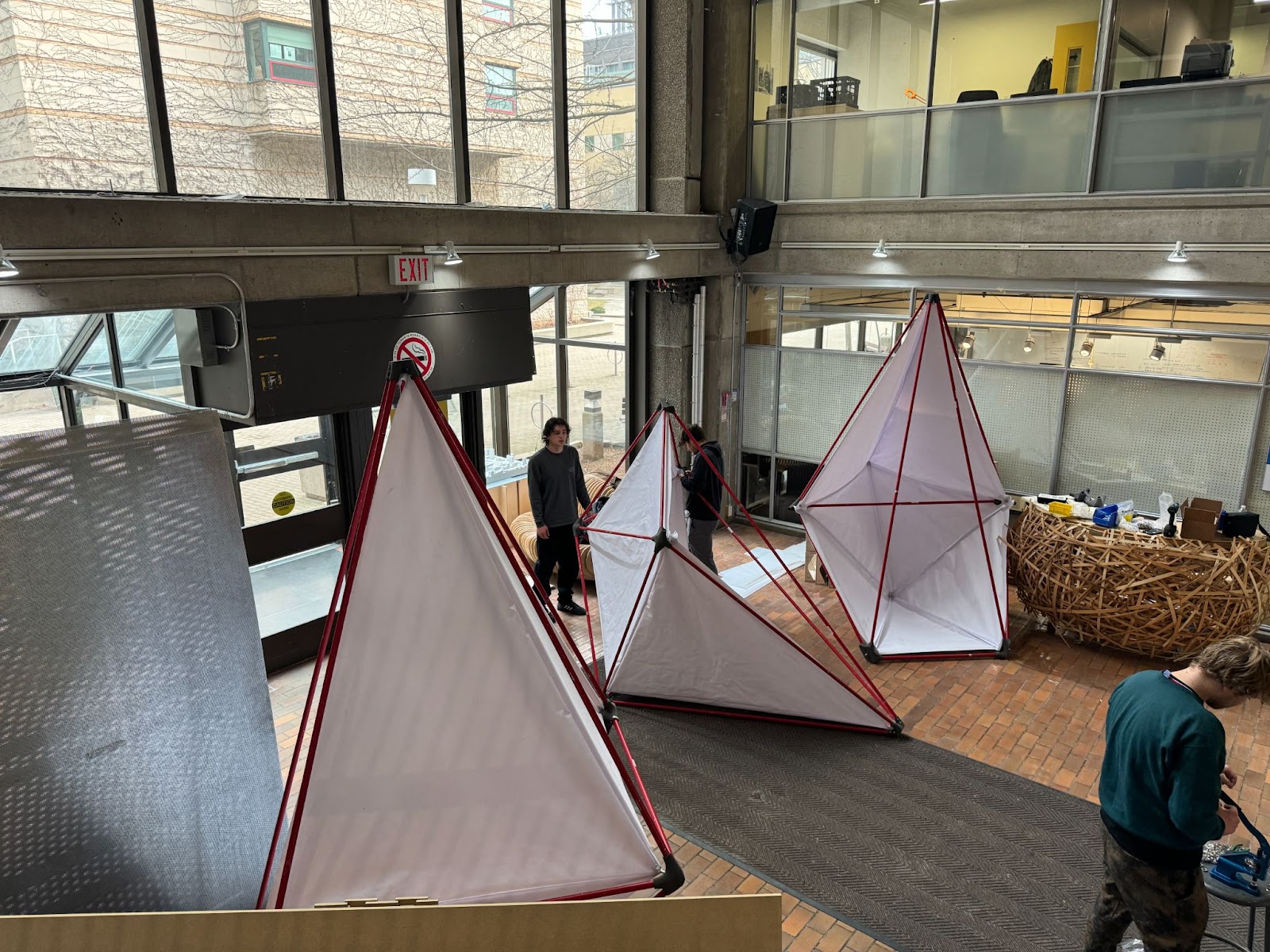
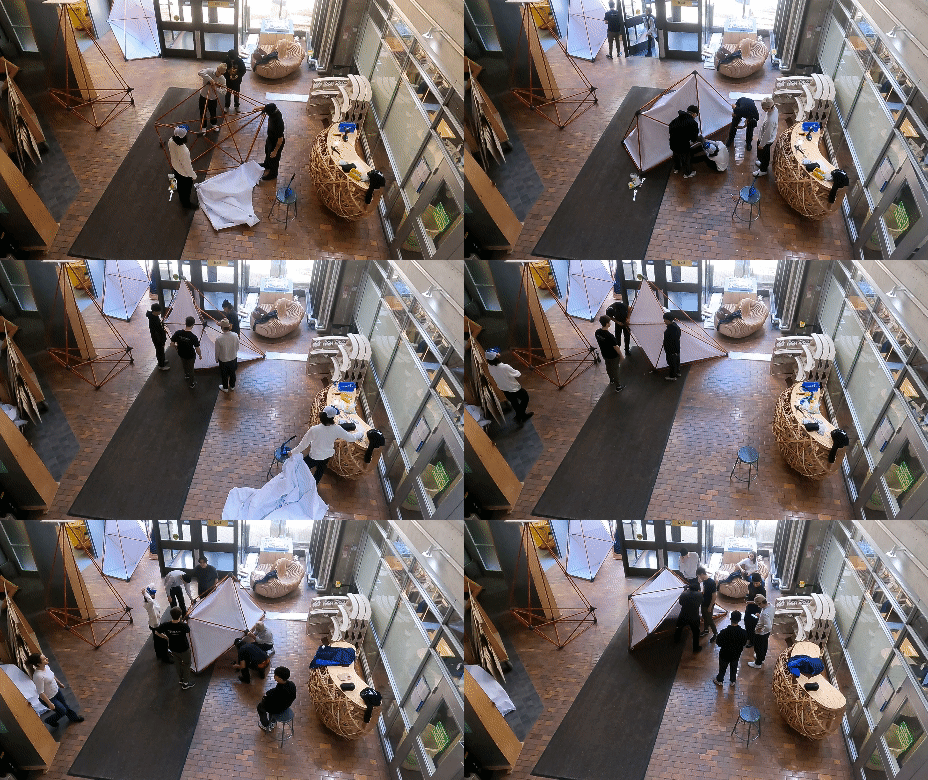
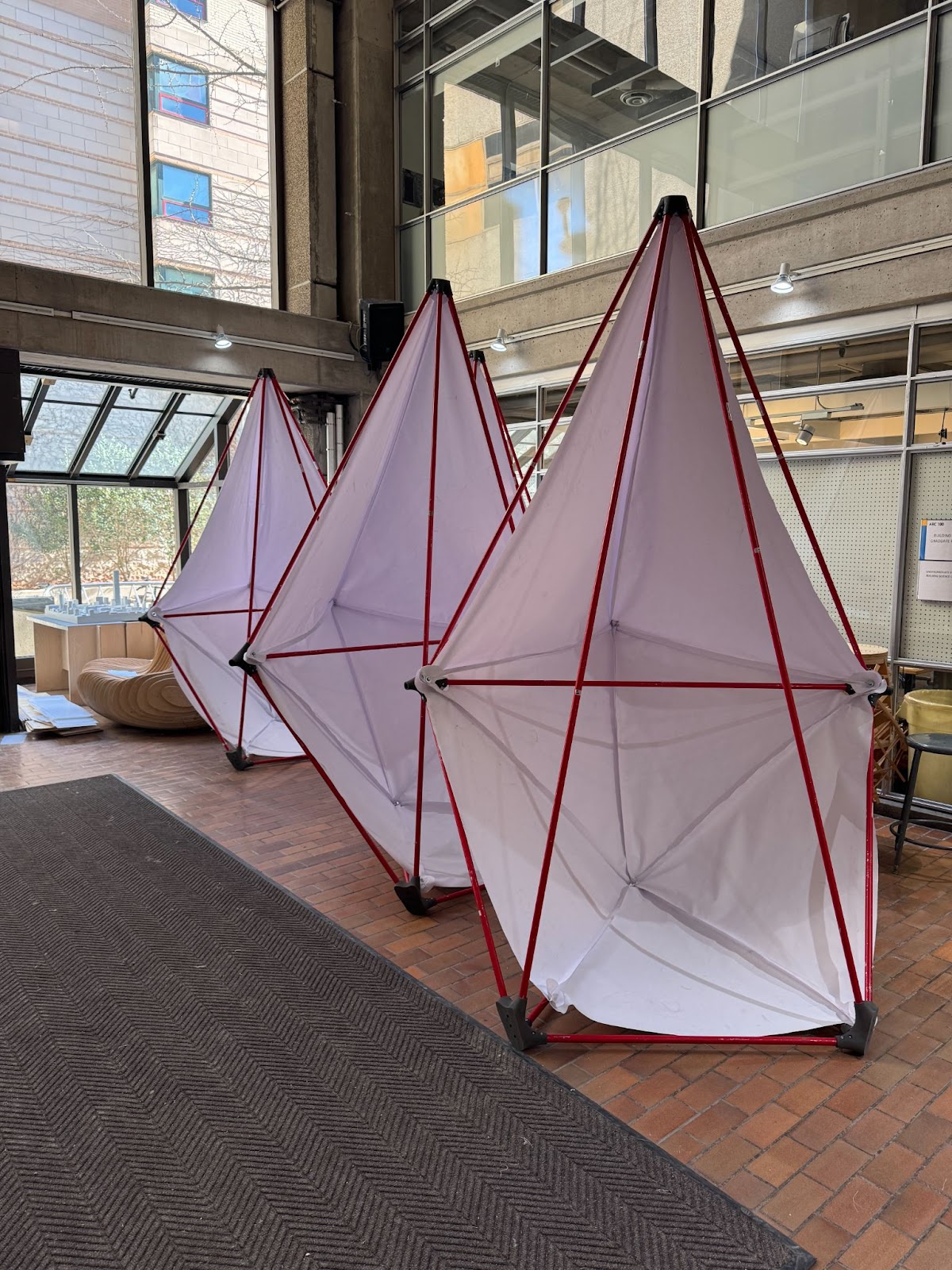
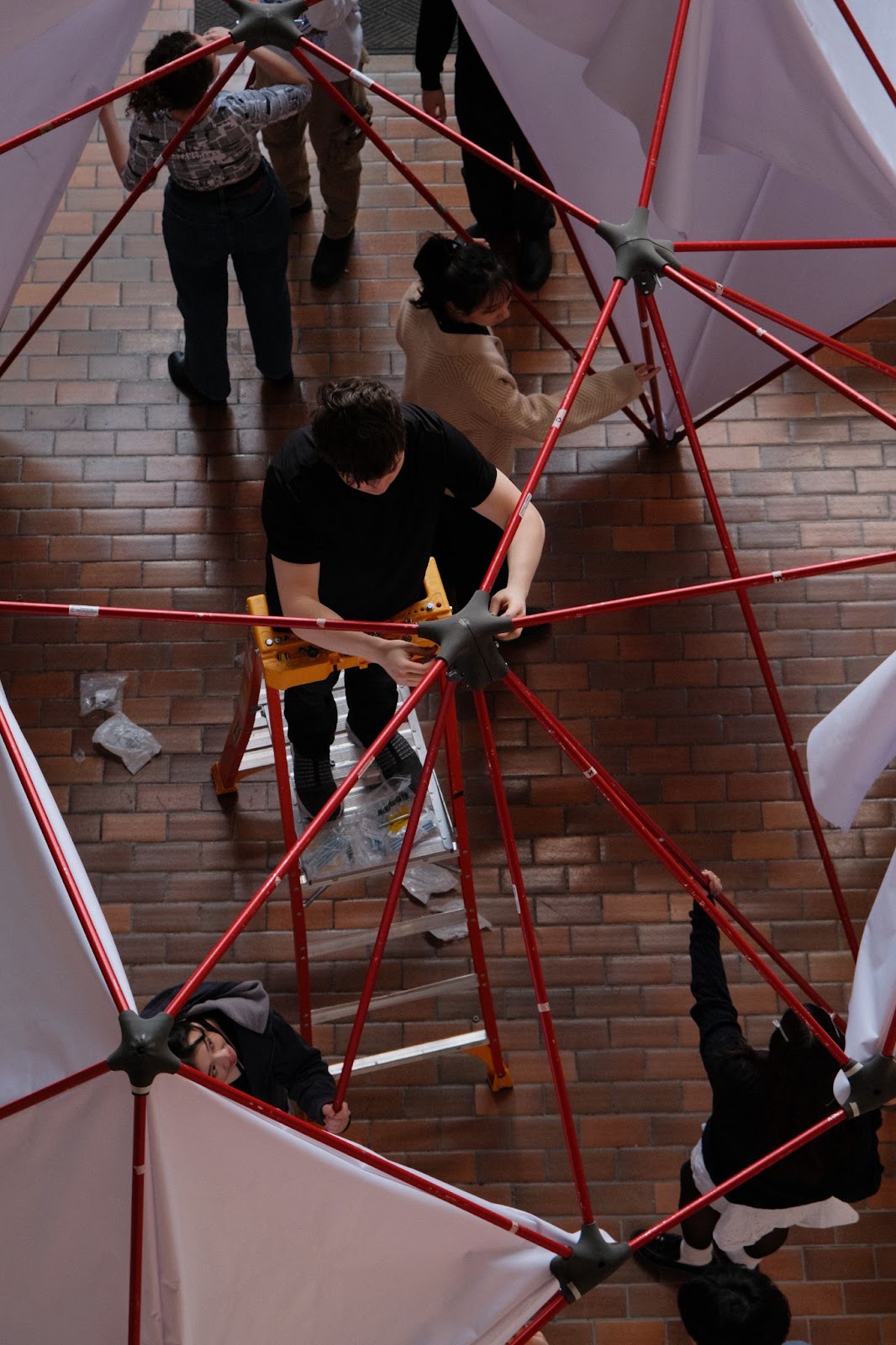
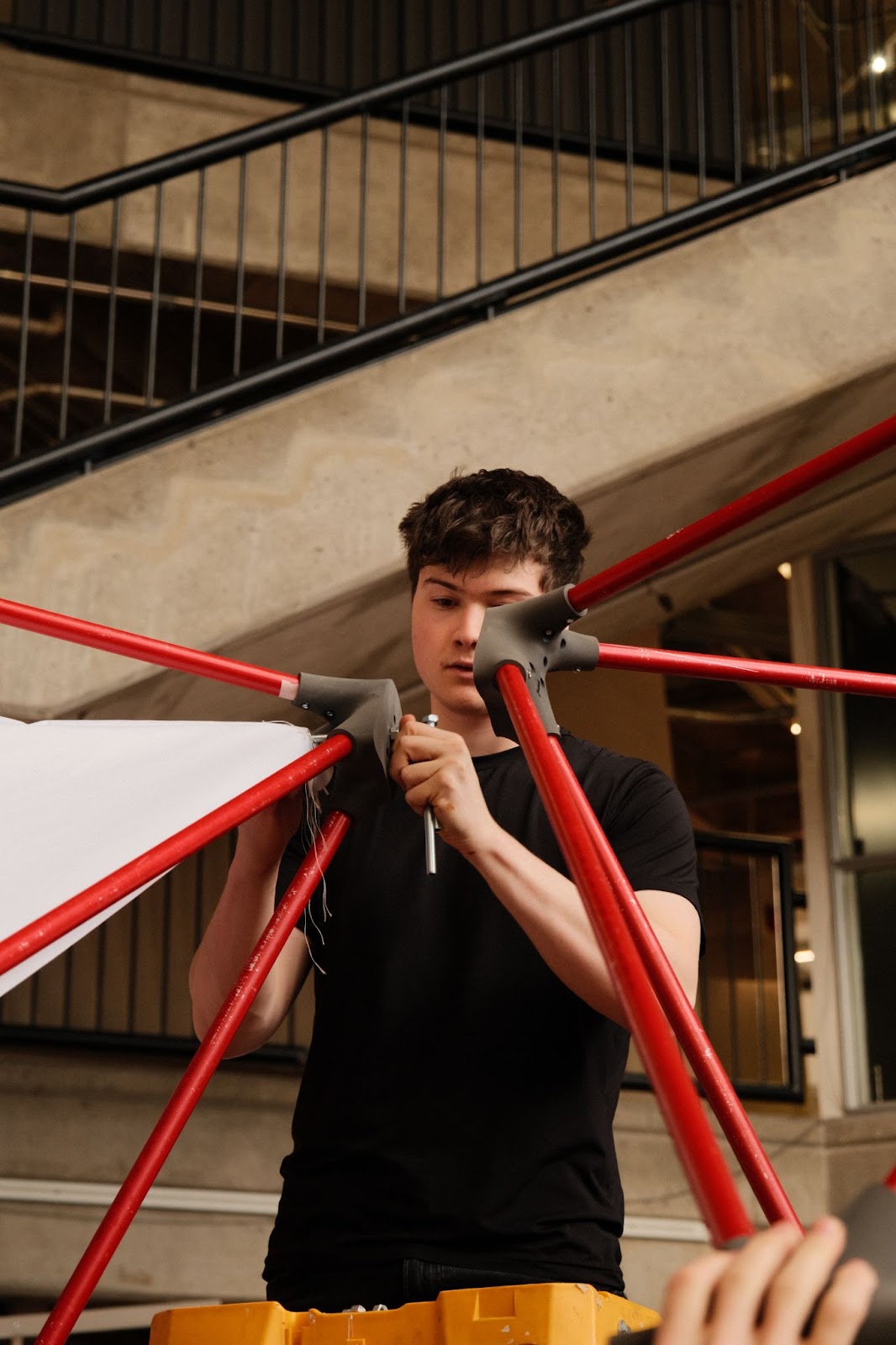
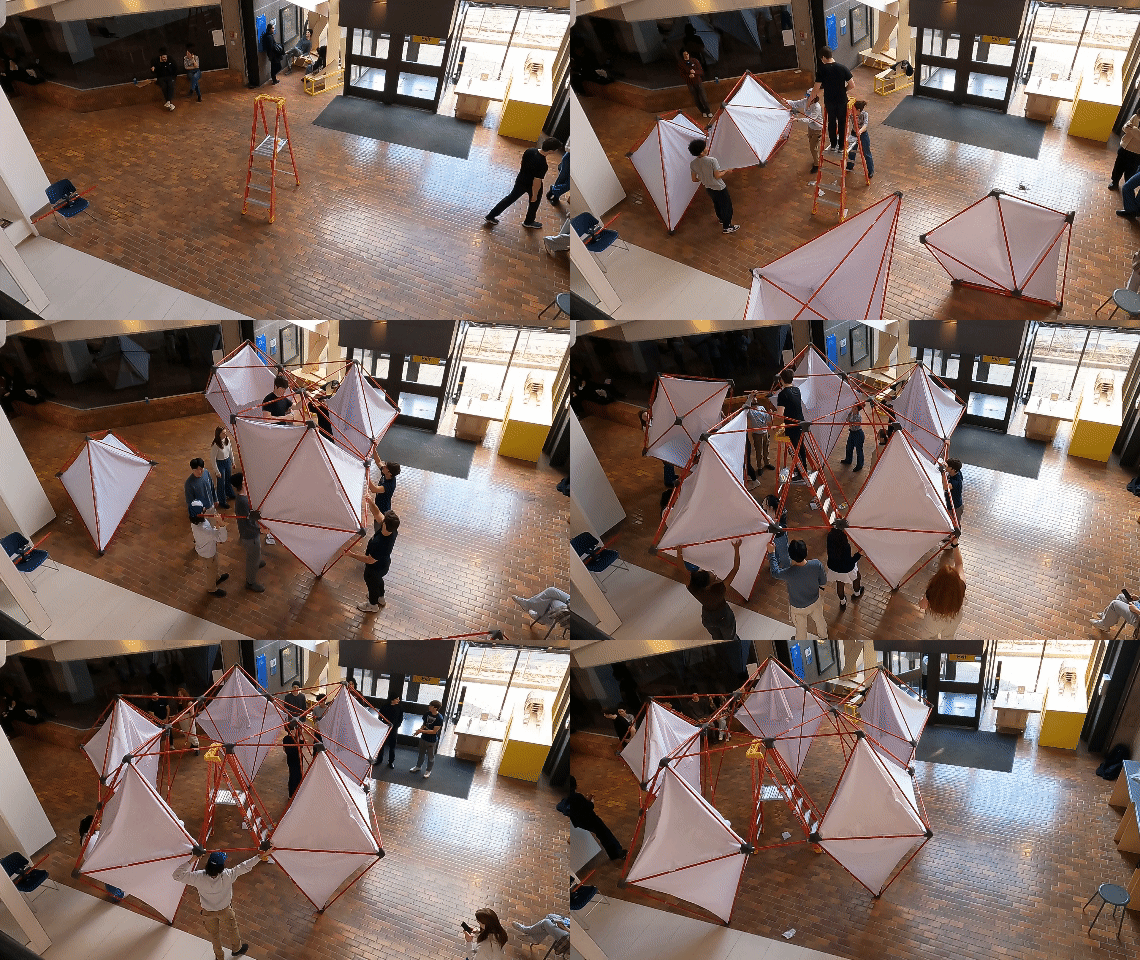
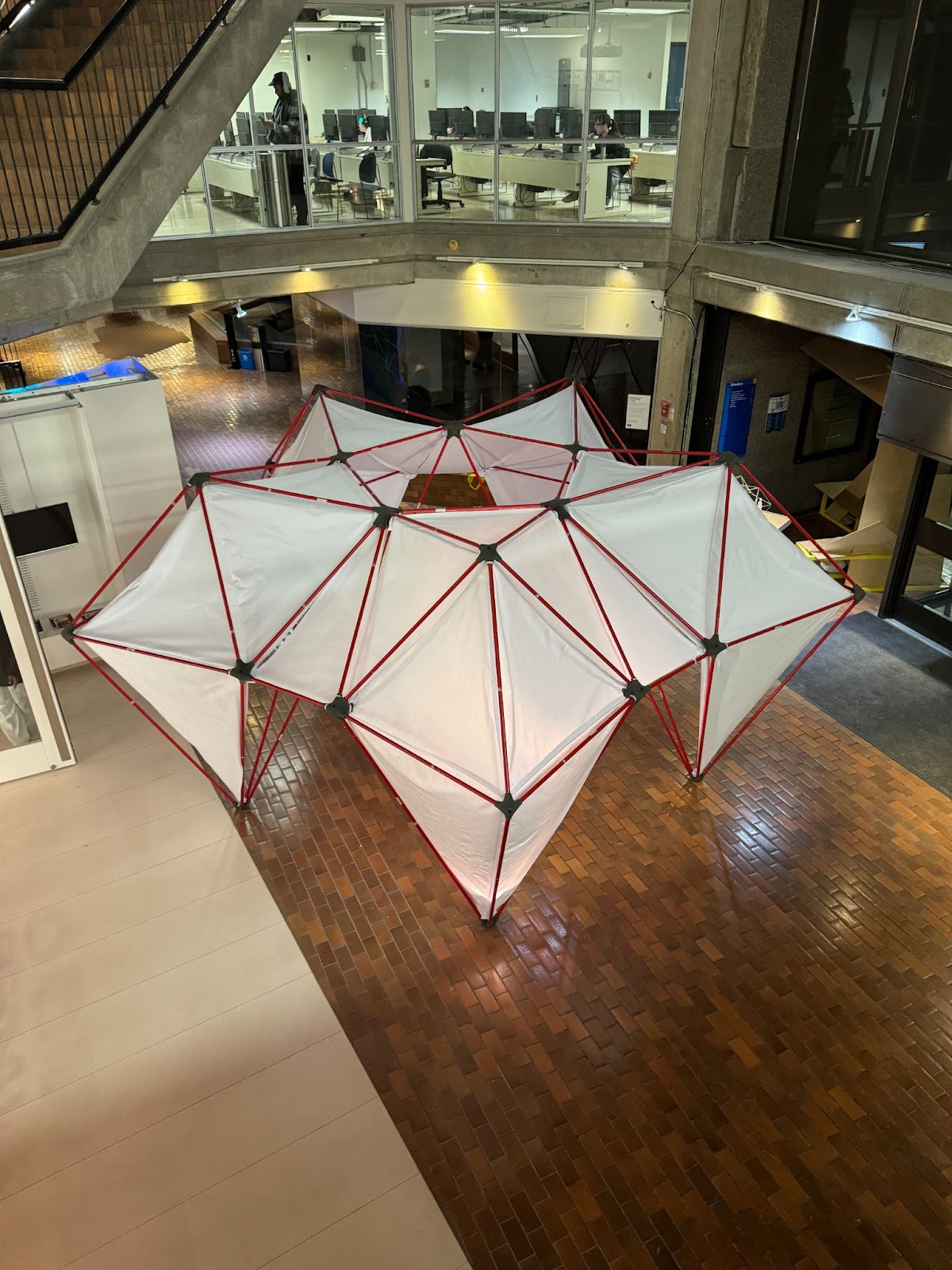
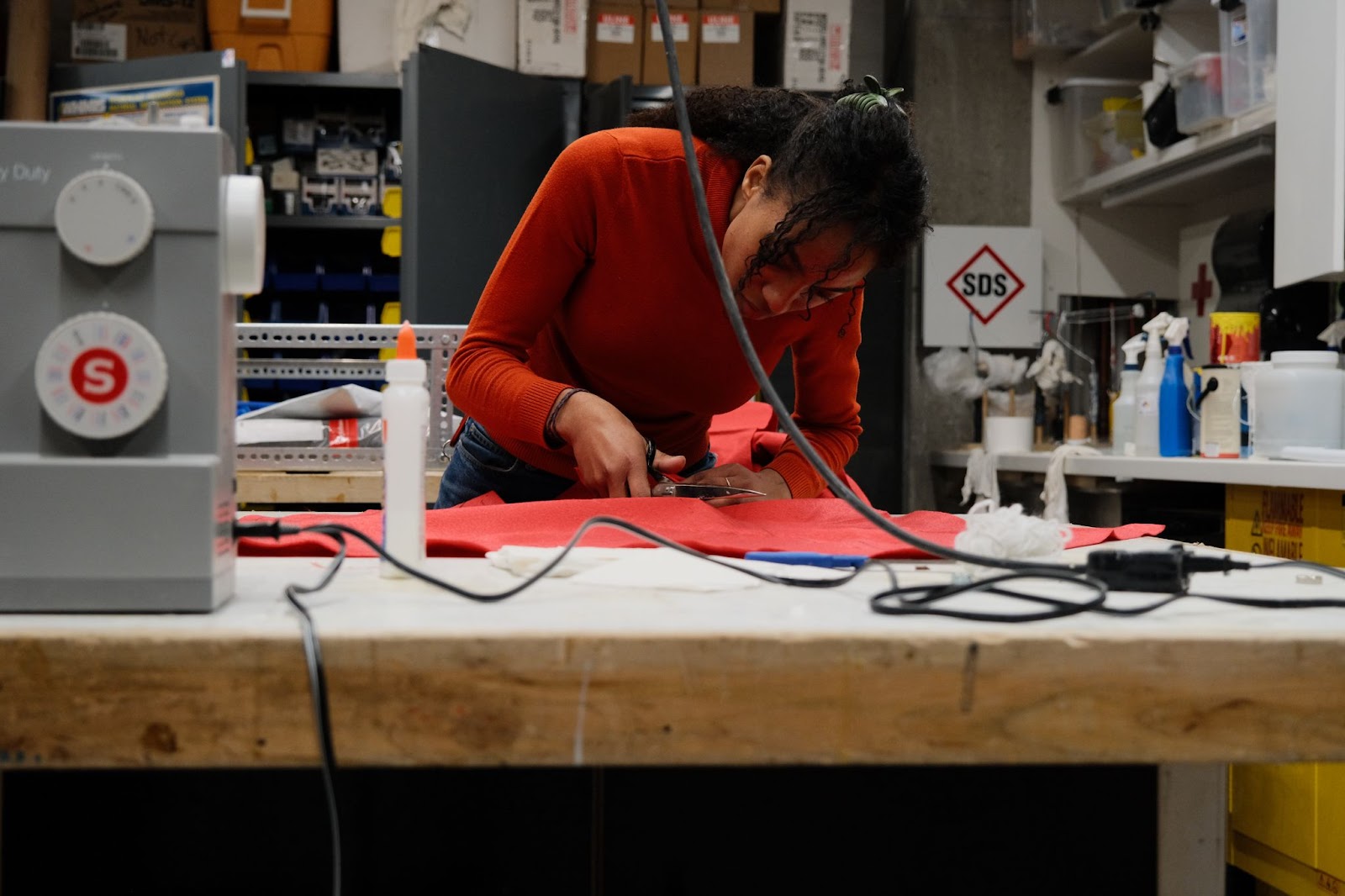
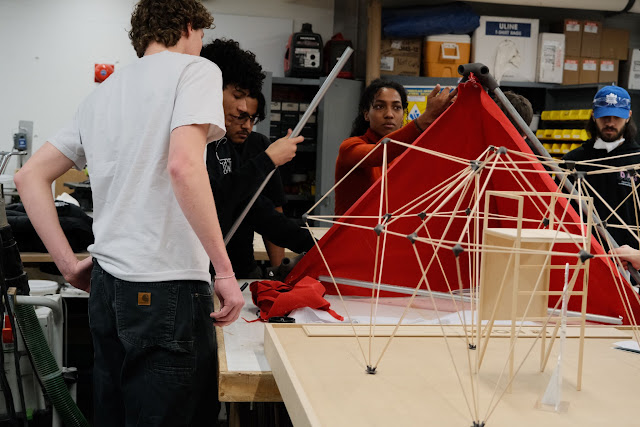
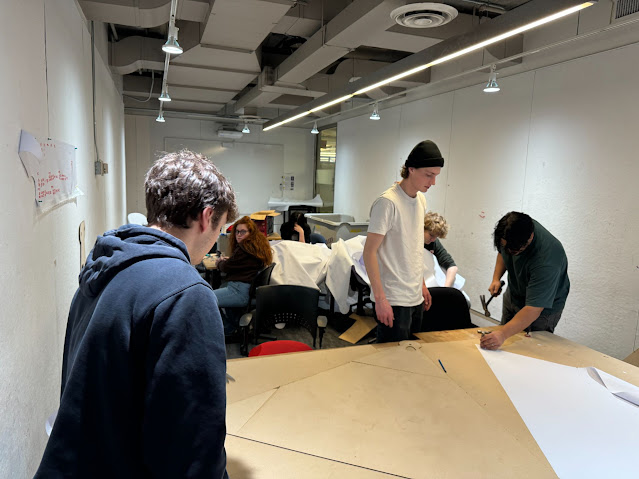
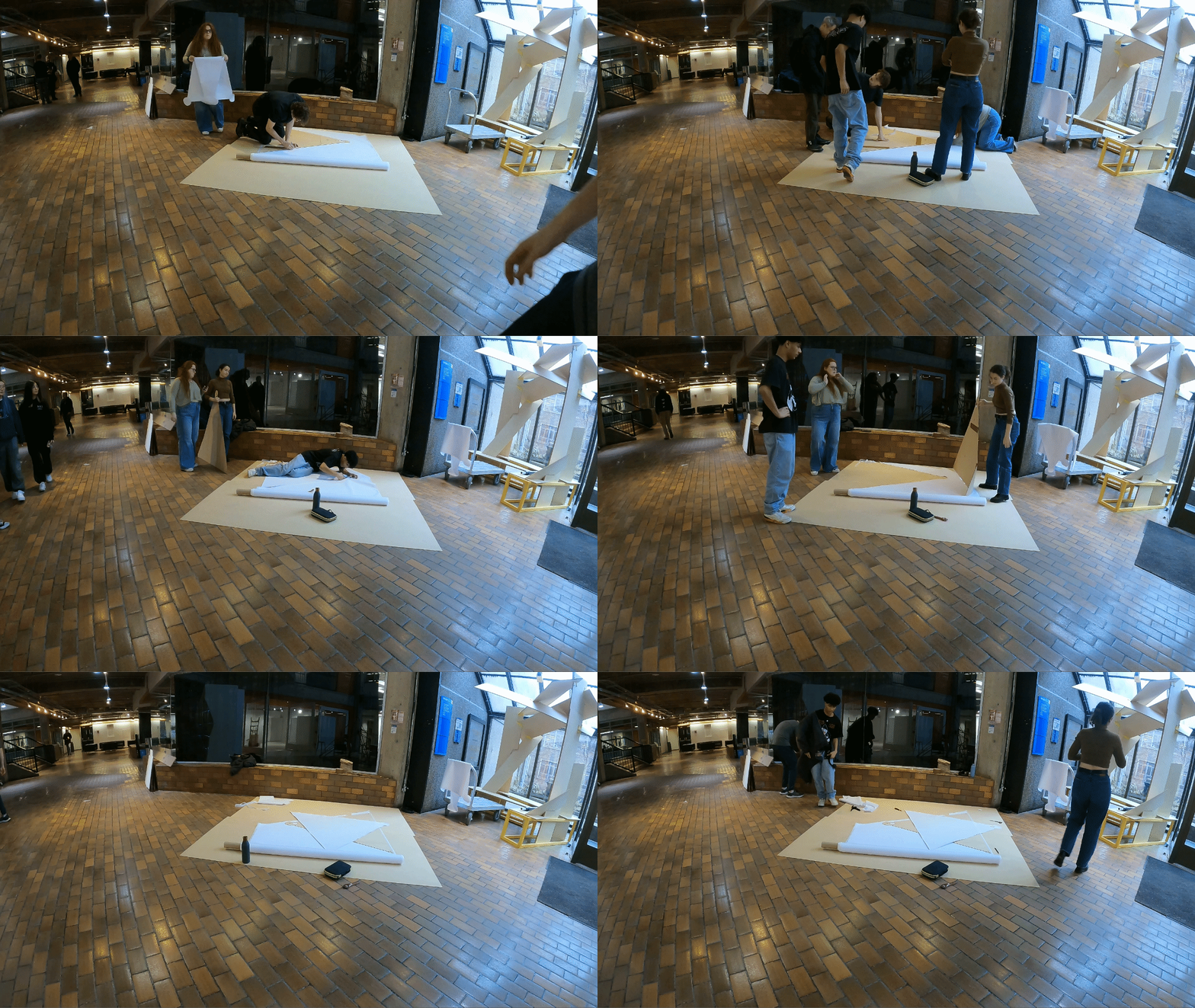
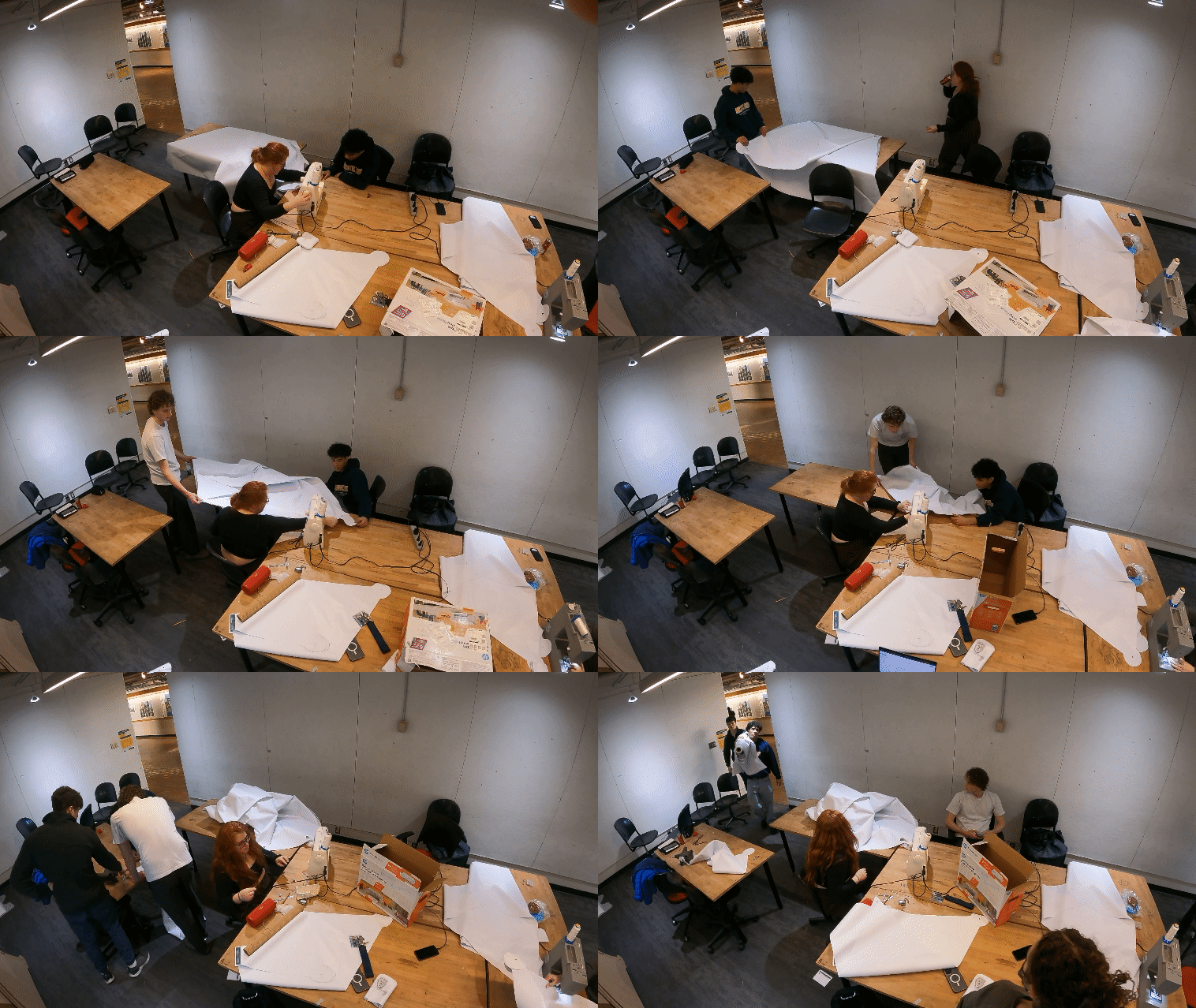
Assembly of the NOVA Winter Station is now underway. This assembly includes constructing the 4 modules with all final components to determine if the structure is working correctly. Furthermore, the cutting and sewing of the official fabric that will be used for final installation has started. Ensuring that the seams are correct, and the holes line up for node and pipe connections is paramount. This is all in the effort for a full-scale mockup to prepare for the final installation. A group of student quickly assembled NOVA in the atrium of 325 Church Street.

Connecting Pipes to Nodes

Connecting Fabric to Frames


Completed Modules

Arranging Modules

Connecting Top of The Structure

Full Assembly 


Mockup in Atrium


Tuesday, January 23, 2024

NOVA | Textiles

Students explored stitching variations on 4 different types of materials to ensure the tension was correct with the bolt connections. Felt, canvas, and nylon were all tested on to ensure that the layout was sufficient. Because of the low-cost of the felt, it was also used for practicing the stitching.


Tuesday, June 7, 2016

Working Away on Hope for Hearts

Another project currently underway is a backdrop for the Hope for Hearts Gala for SickKids which will be at the Granite Club this June. This resourceful and enthusiastic team developed an illuminated reception wall and currently is under development with a group of first and second year students in [R]ed[U]x Lab.


Monday, August 24, 2015

Thermochromic Testing

Here are a series of tests the Flux team developed to verify and validate appropriate types of materials, thicknesses, and textures. Not one to shy away from experimentation, the Flux team sought to enhance the thermochromic performance by adding texture to the tessellation of panels thereby encouraging additional body contact.

...And no, we did not enlist hand models for this...

Vivak Tests


Tyvek Tests


Textile Tests


Bristol Test


1mm Acrylic Test

Sunday, January 25, 2015

More Photokeratitis Experimentation

As the Photokeratitis Cornerstone Window install team had access and the ability to experiment with form and techniques through the Design Fabrication Zone, they were empowered to go beyond heat shrink membrane and even try variations on the design scheme with vacuum formed modules and resins and textiles in tandem with CNC techniques. Though the end result might not capitalize on these methods, not being restricted in exploring possibilities is something the team does not take lightly - the access to expertise and fabrication resources via the DFZ is critical in Photokeratitis' design development.


Wednesday, October 19, 2011

Devising Separators and Surfaces


From the dusty depths of some dingy Research Office, here's an update with regard to the macro scale inhabitants for the room installation.

If you'll recall, the membrane that occupies the room defines the seperation between the subterranean and terrestrial world that the lamps (that the digital tools students are producing!) will occupy.

Gen_4
The triangulated configuration of the arms versus their respective bodies in this iteration allowed the membrane to be populated more consistently rather than the quad-configuration in the earlier permutations. Flexibility in rotation was retained through this model, and the locking ability of the arms into their respective slots helped keep all the pieces secure. Detail level understanding as well as tension component and membrane had yet to be addressed at this point.

Attempting to understand a potential relationship with fabric and light

Orange textile was dreamy....


Gen_5
This iteration was exciting to have finally proposed a relationsihp with the textile membrane that we had wished to incorporate. Some detail level refinements were still needed and so was the need for a a better understanding of what textile options were available and would be most suitable for the project and our budget!


Condition of membrane looking from above- clipping pins were originally for another intent, but ended up being an appropriate fastener.

View from below


Gen_6
Security, flexibility, and a much more resolved detail level configuration are very reassuring with this model. Textile has been decided on and is very robust. Tension components are working rather well. Variation in components are being considered in order to further modulate the textile membrane in its relationship with the acrylic components. Now, how do we deal with "special" conditions of the membrane?


Understanding the relationship the membrane has with light is fascinating.


And with this we capture to the true effect that the "organisms" will have with the terrestrial boundary. As anticipated, even from below the shadows are picked up from the lamp above.

View from above.


Team 2 is working on the development of the wall surface components. 1/3 scale is being tested in anticipation of some CNC mock ups. Detail level refinements about how these will stand up are being explored. The organic quality of the surfaces when paired with light are still captivating!